Filters
Close

Dizziness and headache - cervicogenic diseases

What is Cervicogenic Disease?

medexbrace


By Medex medexbracehk April 10, 2026

JointCare JointCare

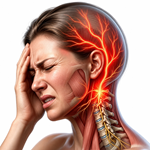
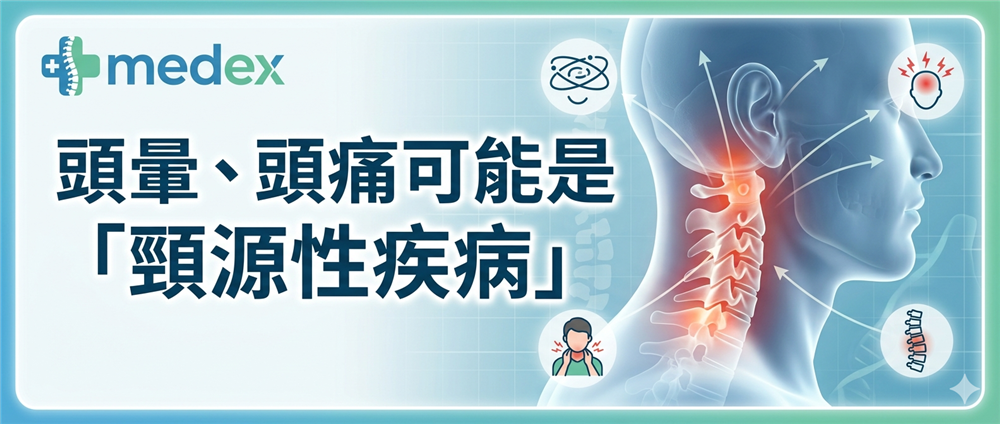
Many people assume that dizziness, headaches, and feeling unsteady are simply caused by general physiological issues or stress. However, if these symptoms persist after taking painkillers for a long time—especially if the condition worsens when looking up or moving the head—it may be "Cervicogenic Disease."


Causes of Cervicogenic Dizziness and Headaches:

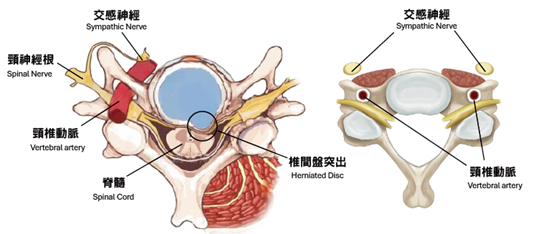
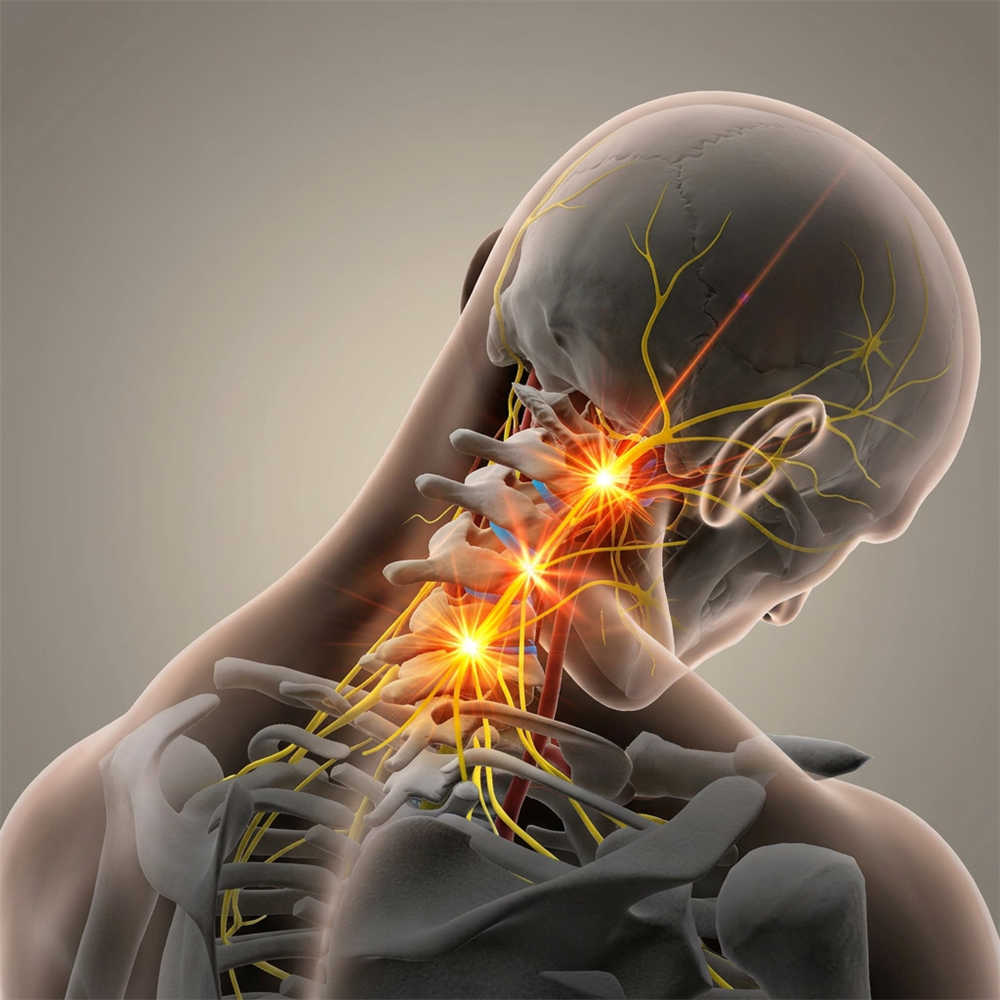
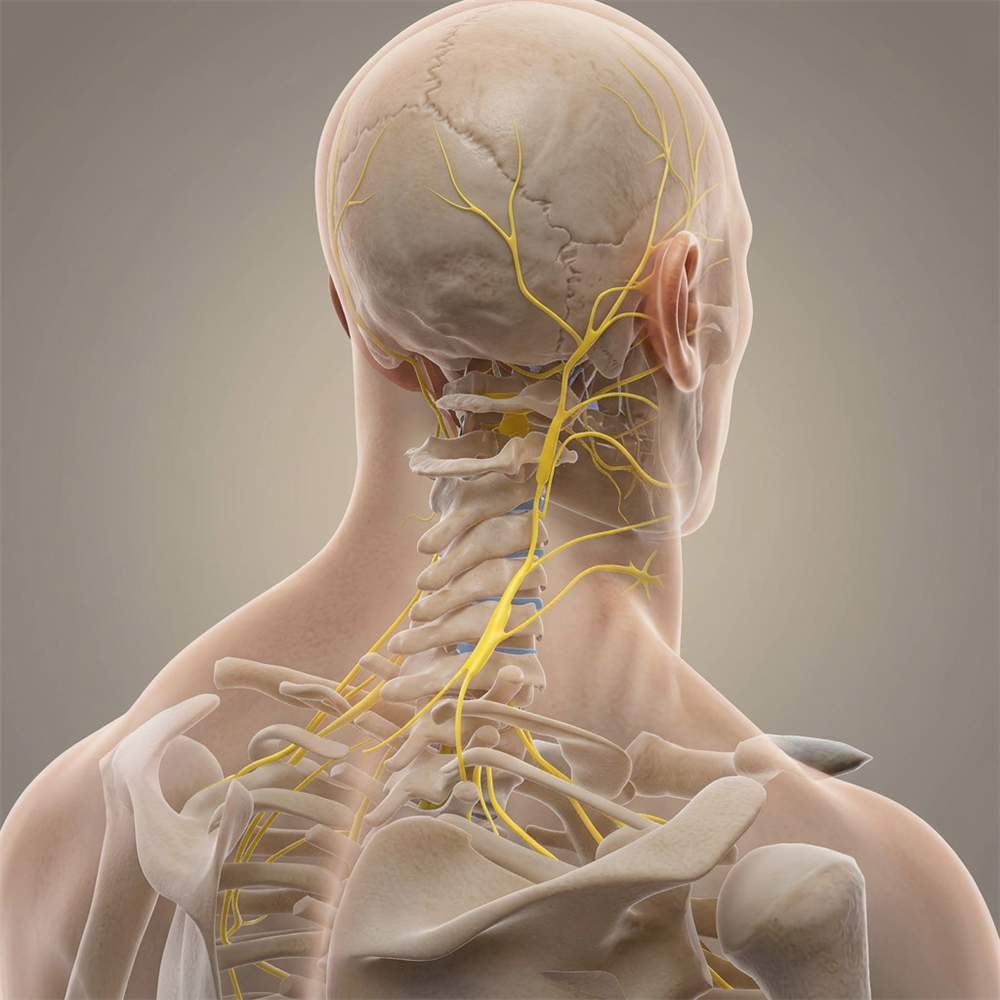
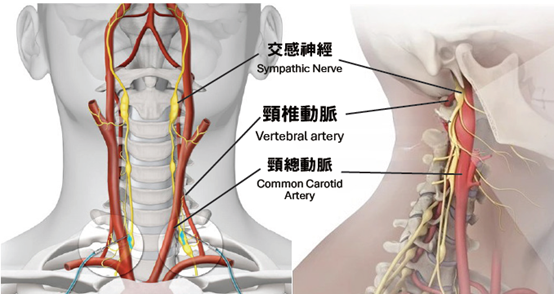
"Cervicogenic Disease" refers to conditions most closely related to issues in the neck. The neck serves as the bridge between the head and the torso, containing the spine, blood vessels, and nervous tissue (Fig. 1). It is vital for movement and survival; any injury to this bridge or the presence of disease within it can have a critical impact on maintaining overall health and bodily functions.

Cervical Spine Anatomy:

Cervical Spine Structure
Carotid Artery


Primary Causes of Cervicogenic Dizziness and Headaches:

(1) Compression of Upper Cervical Nerves:

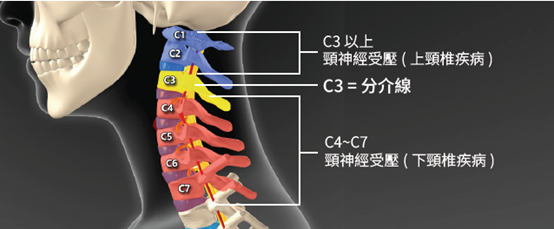
The cervical spine is divided into the upper and lower cervical spine, with the C3 vertebra serving as the dividing line. Vertebrae above C3 are considered the upper cervical segments. Any compression of the upper cervical nerves—such as from a herniated disc, spinal stenosis, vertebral displacement, or subsidence—can potentially lead to forehead pain, occipital (back of head) pain, eye socket pain, and upper neck pain.
Cervical Segments

(2) Irritation of the Sympathetic Nerves:

Looking up, swinging the head/neck, or shifting body positions can irritate the sympathetic nerves, making symptoms like dizziness, headaches, blurred vision, and palpitations more pronounced.

Sympathetic Nerve

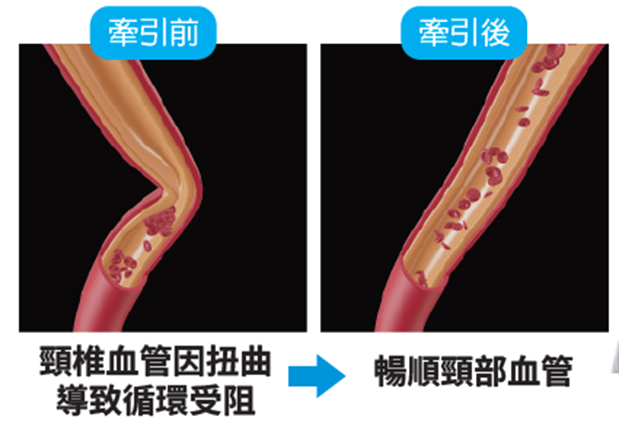
(3) Distortion of Cervical Blood Vessels:

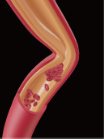
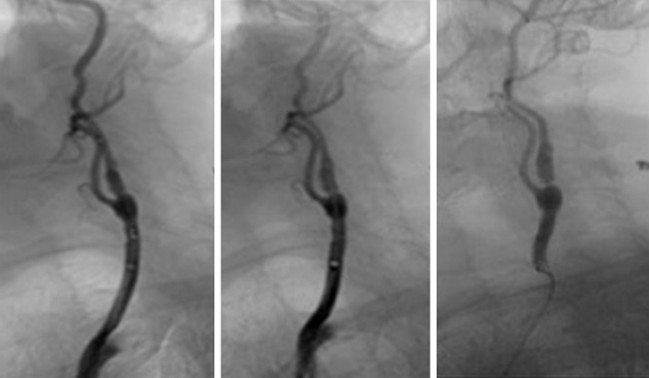
Looking up, repetitive head/neck movements, or prolonged poor posture can lead to restricted blood flow through the internal and external cervical vessels. This affects blood supply to brain regions, resulting in dizziness and headaches.

Cervical Artery Vessels Obstructed Carotid Artery

(4) Accidents:

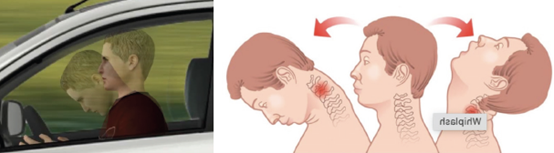
Impact or violent shaking can injure the cervical spine, such as Whiplash. This refers to the head being jerked forcefully, much like the crack of a whip.

Whiplash


Solutions for Cervicogenic Diseases:

Whether it is sympathetic nerve irritation, vascular distortion, or upper cervical nerve compression, these are often caused by poor cervical curvature or bad posture. While common conservative treatments suggest exercise and stretching, in many cases, relying solely on the body's own muscular force to maintain a natural cervical curve is insufficient and imprecise, yielding limited results. Surgical intervention, on the other hand, carries significant risks.


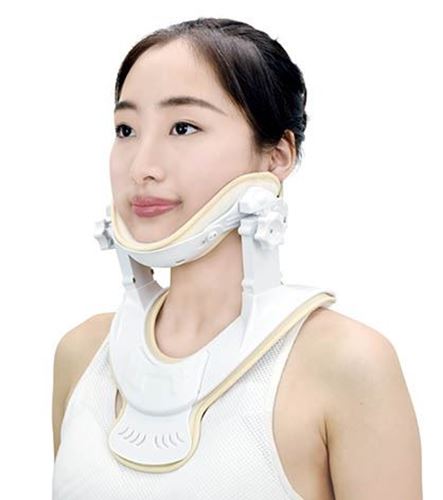
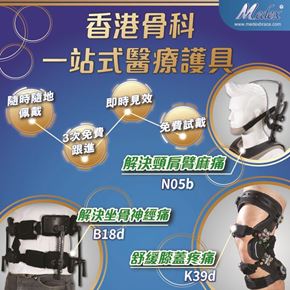
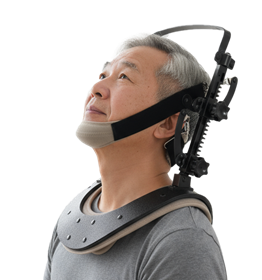
Currently, the use of a Powerful Occipital Traction Device (N05b) helps to realign the cervical spine. This reduces nerve compression caused by lesions and minimizes sympathetic nerve irritation, while also straightening blood vessels to ensure smooth blood flow. This method addresses cervicogenic dizziness, headaches, and blurred vision at the root and is highly effective.


Powerful Occipital Traction Device N05b

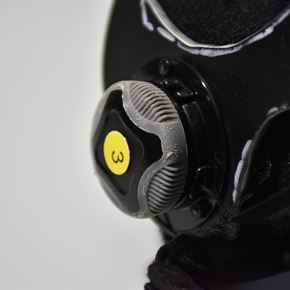
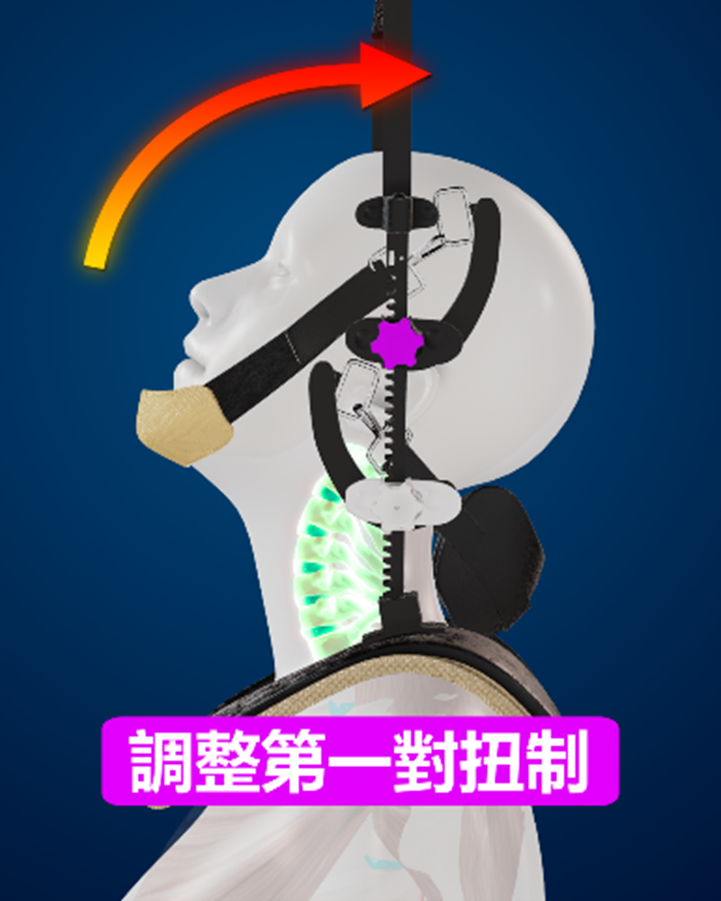
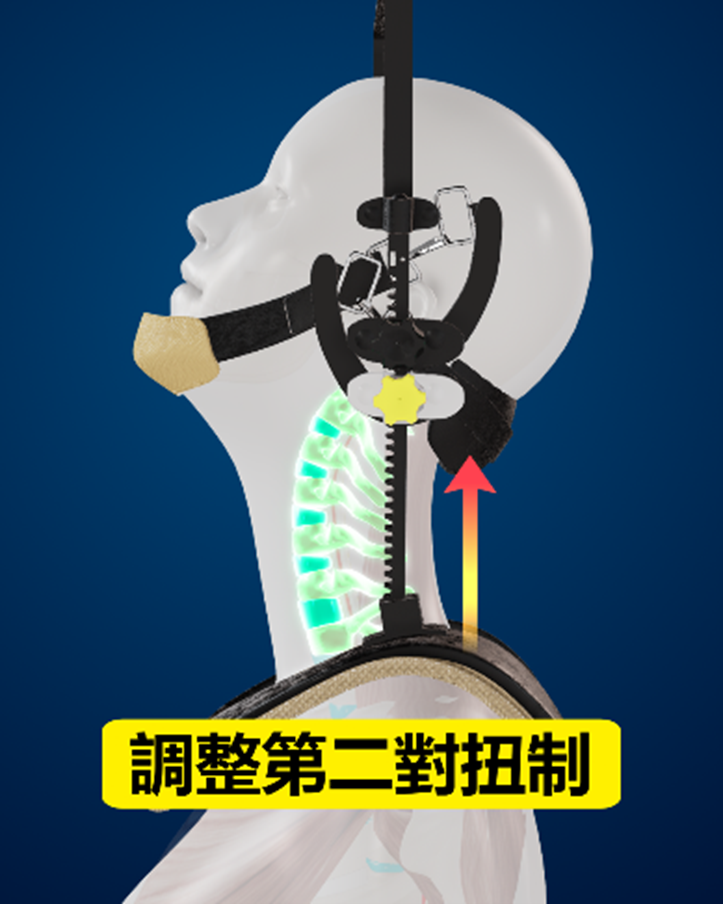
The patient first maintains a head-back position using the occiput (back of the head) as a fulcrum. By turning the knobs on the dual lifting rods, a significant occipital traction force is generated (up to 20kg). This effectively stretches the upper neck, reduces sympathetic nerve irritation, relieves cervical nerve pressure, and improves blood flow in the neck vessels.

Neck Traction Device Neck Traction Device

Tilt Head Backwards

Lift the Cervical Spine

Vascular Circulation
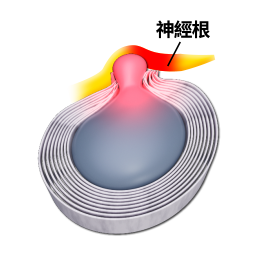
Disc Herniation Disc Herniation

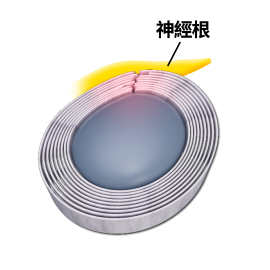
Disc Herniation

Disc Retraction


Precise and Safe Exercise with Braces:

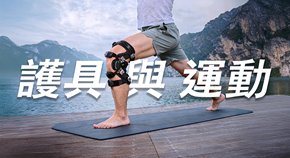
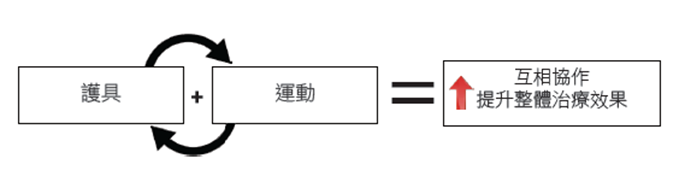
There is a high degree of synergy between orthotic braces and exercise. They work together to produce better therapeutic or rehabilitative results, especially during post-traumatic healing, post-operative recovery, and the treatment of chronic spinal and joint diseases. Braces provide "support," "stabilization," "alignment/pain relief," and "relief from nerve compression pain," while exercise strengthens muscle power and joint mobility. Combining appropriate bracing with proper exercise training can improve somatic balance, overall recovery, and correct curvature issues caused by spinal and joint misalignment.

Exercise

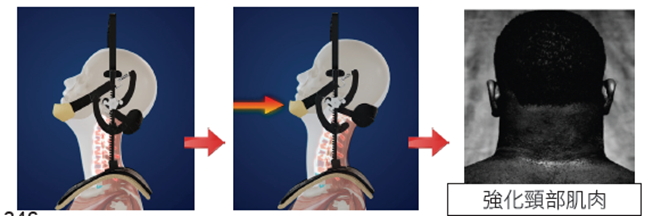
Chin Tuck Exercises should be performed to strengthen the trapezius muscles, supporting the head, preventing cervical instability, and avoiding injury during head/neck movements. Performing Chin Tuck exercises without the stability provided by a powerful occipital traction brace can be less effective and less safe for the cervical spine.

chin_tuck_exercise


Learn More: N05b Powerful Occipital Cervical Traction Device


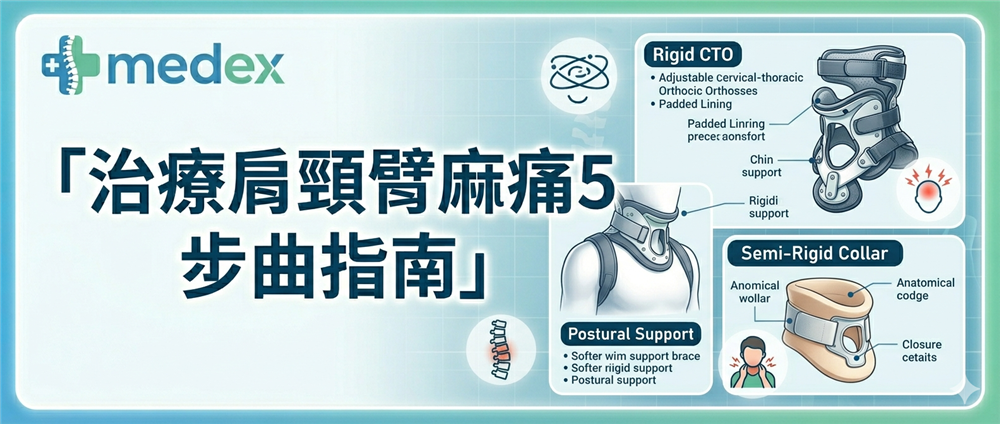
If you wish to further protect your cervical spine and promote healing, learn more about the comprehensive treatment solution designed by Medex for neck pain patients:

"The 5-Step Guide to Treating Neck, Shoulder, and Arm Numbness/Pain"

References:

Image source: Vascular Care Centre – “Carotid Arteries”

https://vascularcarecentre.com/for-patients/conditions/arterial-disease/carotid-arteries/

Source: Hinge Health, How to Do Chin Tucks: Tips and Recommended Variations, updated May 7, 2025.

https://www.hingehealth.com/resources/articles/chin-tucks/


View as
Sort by

N01b - Soft Collar (Serpentine Type)

Collar

Indications:

- Neck pain and cervical syndrome
HK$252.00

N05b Powerful Occipital Neck Traction Device

Indication:

- Pinched Nerve in Neck

- Dizziness, headaches, and blurred vision

- Cervical syndrome

HK$3,800.00